The other day, I was on my way to pick up groceries—not exactly running late, but not leisurely either—when I drove over a couple of black rubber cables stretched across the road. You’ve probably seen them too, just lying there across both lanes, like someone forgot to clean up after finishing some construction work. They make that soft “thunk-thunk” sound under your tires and then you move on without giving them another thought. No flashing lights, no warning signs—just those quiet, mysterious tubes.
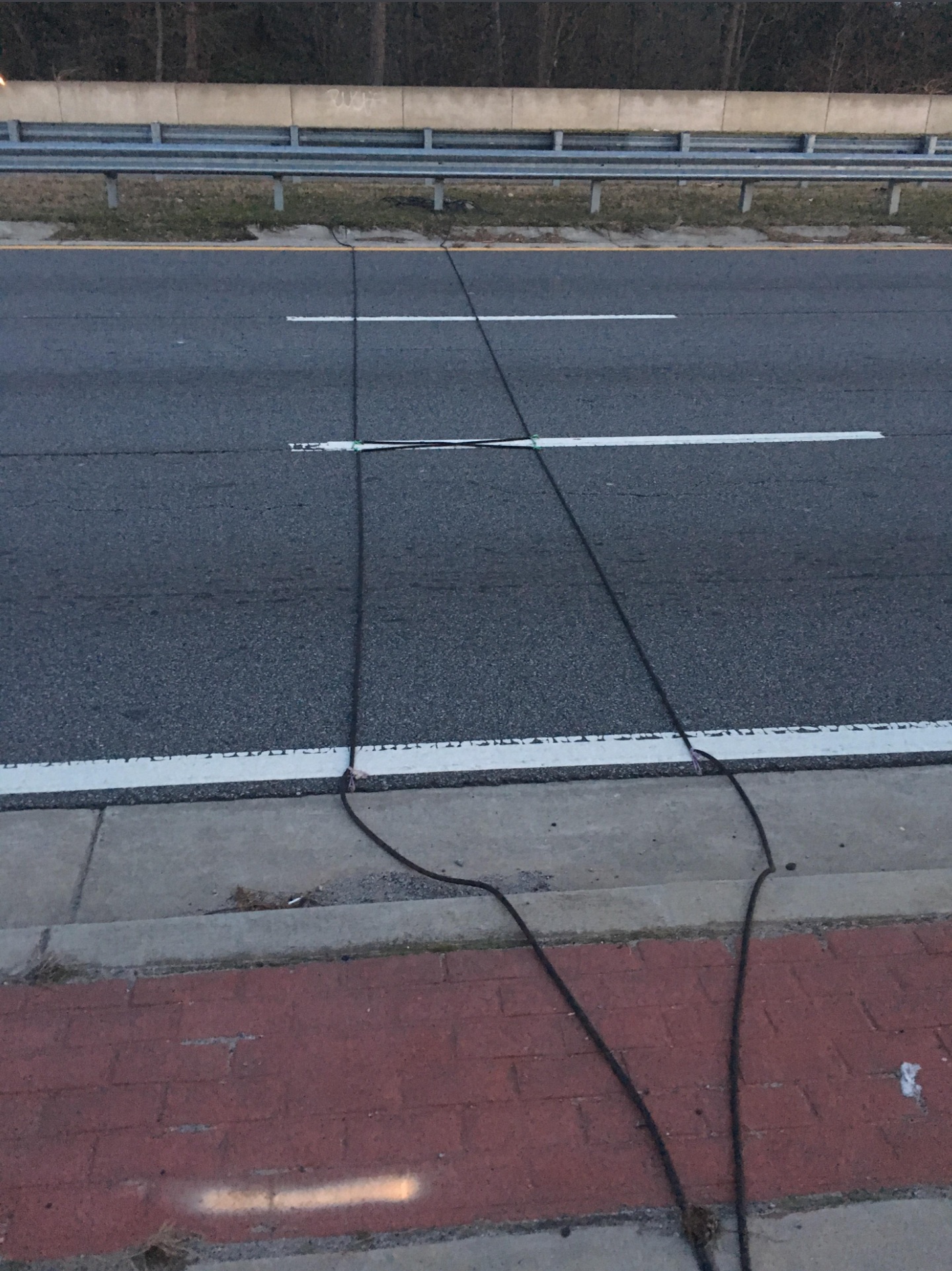
I’ve seen them around town plenty of times, but I never really considered what they were until my sister, who was riding with me and seems to notice everything, suddenly asked, “What are those actually for?” And I just sat there, completely stumped. I’ve had my driver’s license for years, and yet I had no clue. I mumbled something like “maybe pressure sensors?” and then did what I always do when I feel unexpectedly clueless—I Googled it that night while still holding a spoon from the yogurt I forgot I was eating. Turns out, those cables are called pneumatic tubes, and they’re a lot more important than they look. Their job? Counting cars. Yes, really. Every time a vehicle rolls over one, it forces a small burst of air through the tube, which then hits a sensor at the end of the line. That little puff of air tells the system, “Hey, a car just passed.”
Click. One car logged. If there’s just one tube on the road, it’s likely only counting how many vehicles pass through a certain point during a specific timeframe. But if there are two tubes spaced a few feet apart, they can actually collect much more detailed information—like how fast the vehicle was moving, which direction it was heading, and sometimes even what type of vehicle it was. Whether it’s a motorcycle, sedan, or a big truck, those simple rubber tubes are quietly gathering data as you drive over them. But what happens to all that data? It doesn’t just disappear into the digital void. City planners and transportation engineers—yes, actual humans with clipboards and spreadsheets—use that information to make decisions that directly impact your daily commute.
They study traffic patterns, evaluate where to place or adjust stoplights, and figure out whether a new turn lane or stop sign is necessary. I once asked someone how the city decides where to place new traffic signs, and they said, “We base it on traffic volume and speed data over time.” At the time, I nodded like I understood, but only now do I realize that this is exactly where that data comes from.
These cables are like the unsung heroes of urban planning. And they’re not just measuring car counts. In areas where speeding is a known issue, the data these tubes collect can be used to determine whether intervention is needed—like adding speed bumps or those radar signs that flash your speed and instantly make you feel like you’ve been caught doing something wrong. They’re also useful for improving public transit. For example, if a city notices a particular bus route is frequently delayed during rush hour, the data can show whether it’s due to heavy traffic or a poorly designed schedule. That helps officials decide if they need to add more buses, change the route, or adjust the timing. Believe it or not, even snowplow schedules can be influenced by this data. If a road doesn’t see much traffic, it might get pushed down the priority list when winter storms hit, which might explain why some streets are always the last to be cleared. What amazes me most is how subtle the whole system is.
These tubes don’t beep, flash, or demand anything from you—they just sit quietly on the road, collecting real-time data that shapes your driving experience. It’s like the road is keeping a silent journal of every car that passes by, whether you know it or not. Sure, sometimes it feels like city planners make strange decisions when it comes to traffic, but at least now I know they’re not just guessing. These tubes collect actual, measurable facts.
They know how many cars passed that intersection at 8:23 a.m. on a random Tuesday. Your memory doesn’t. Since learning what they are, I’ve started noticing them everywhere. Near schools, malls, intersections that always feel a little chaotic. They don’t stay long—usually a few days or maybe a week—but they always show up right before something changes. So now, every time I see those black cables stretched across the road, I don’t ignore them. I see them for what they really are: quiet little devices doing important work behind the scenes. And no, they’re probably not recording your license plate. Probably.