Hidden away in the attic of a nearly century-old home, covered in dust and surrounded by forgotten belongings, an object from the past stood resilient. A heavy wooden box—sturdy, worn, and enduring. This was no ordinary piece of furniture; it was an icebox, a relic from a time before electric refrigerators revolutionized food storage.
The new owner of the house, the great-grandchild of the original builder, stumbled upon this forgotten artifact and was instantly captivated. As she wiped away the years of neglect and lifted the heavy lid, she wasn’t just uncovering an old appliance—she was stepping into a lost world of patience, resilience, and daily ritual.
Before Refrigerators: The Icebox as a Lifeline
Long before modern refrigerators became a kitchen staple, iceboxes were the primary method of keeping food fresh. During the early 1900s, households relied on regular ice deliveries to sustain their food supply. Large blocks of ice were placed inside these wooden, insulated compartments, preserving perishables like milk, meat, and produce.
The concept was simple yet effective. As the ice melted, the water drained into a pan or a pipe that required regular emptying. It was a process that demanded diligence and planning—far from today’s effortless refrigeration, where a push of a button maintains perfect temperatures.
Video: Primitive Fridge Restoration – Early 1900s Ice Box
The Iceman: A Forgotten Profession
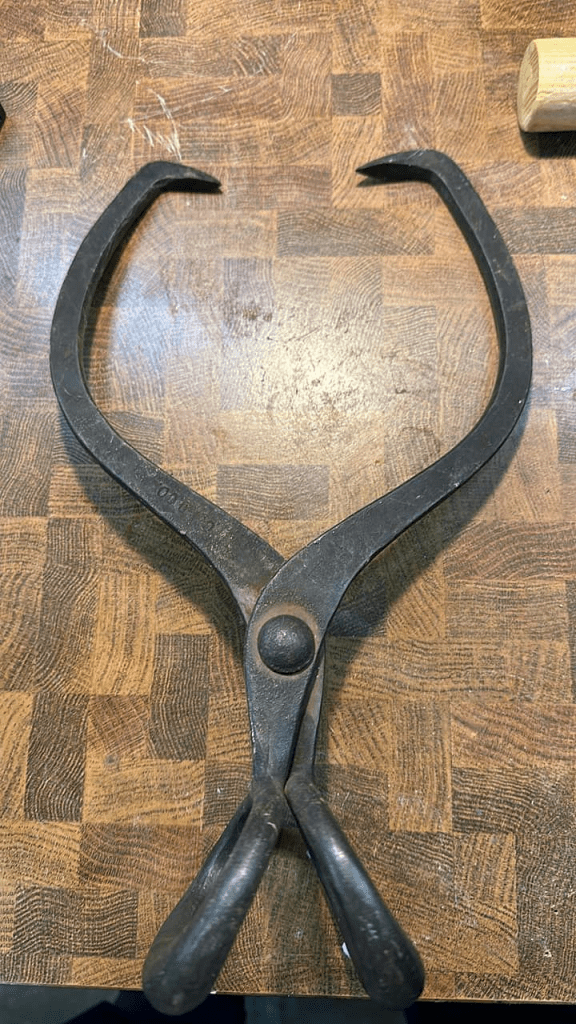
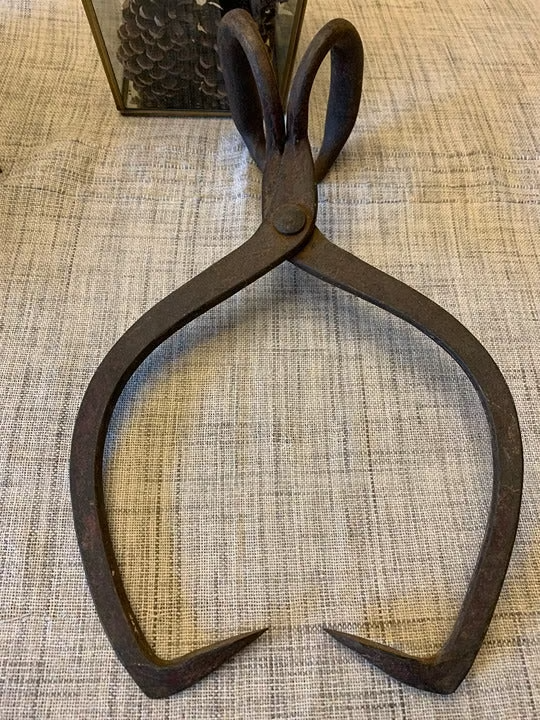
The discovery of the icebox brought memories of a once-thriving profession—the iceman. These men carried massive ice blocks with metal tongs, hauling them from wagons to homes, restaurants, and businesses.
Families would place signs in their windows indicating the amount of ice they needed for the day. The iceman would chop and deliver the requested portion, ensuring families could maintain their food supply.
It was a labor-intensive job that required endurance and skill. The hotter the season, the faster the ice melted, making frequent deliveries essential during the sweltering summer months.
A Symbol of Simplicity and Resilience
Unlike today’s stainless steel refrigerators with built-in ice makers and digital temperature controls, the icebox was purely mechanical. It functioned without electricity—relying solely on ice and careful maintenance.
For families, the icebox represented more than just an appliance. It embodied a way of life that required patience, effort, and adaptability. Unlike the instant gratification of modern refrigeration, maintaining an icebox demanded forethought and routine.
The Decline of the Icebox: The Rise of Electric Refrigeration
By the 1930s and 1940s, a technological revolution began reshaping households across America. Electric refrigerators started appearing in homes, eliminating the need for daily ice deliveries. These new appliances provided a convenient and consistent way to preserve food, marking the slow decline of the icebox era.
At first, only affluent families could afford these new machines, but by the 1950s, refrigerators had become mainstream and affordable. Icehouses shut down, icemen faded into history, and iceboxes were abandoned or repurposed for storage.
Discovering the Icebox: A Connection to History
Standing in the attic, the young woman traced her fingers along the icebox’s wooden panels. She imagined her great-grandparents waking early to receive their ice delivery, carefully arranging their food, and making sure the ice lasted as long as possible.
This wasn’t just an old kitchen relic—it was a window into the past, a reminder of a time when daily life required more effort and consideration. It showcased the transition from manual labor to modern convenience, revealing how progress often erases the patience and hard work that once defined everyday survival.
Lessons from the Icebox Era
The forgotten icebox offers a valuable lesson about resilience, appreciation, and the evolution of daily life:
- Gratitude for Modern Comforts – We take refrigeration for granted, rarely thinking about the challenges of food preservation in the past. What was once a daily struggle is now effortless, thanks to modern technology.
- The Value of Hard Work – Before the era of instant convenience, daily routines required physical effort and planning. Families didn’t just rely on technology; they managed their resources with care.
- Slowing Down to Appreciate Life – The fast pace of modern life often robs us of the satisfaction found in patience and effort. The icebox era reminds us that there’s beauty in simple processes, in waiting, and in valuing what we have.
Conclusion: The Icebox and the Passage of Time

As the young woman closed the lid of the old icebox, she realized that while technology moves forward, the past still holds powerful lessons. The icebox wasn’t just a relic of a forgotten time—it was a symbol of resilience, resourcefulness, and patience.
In today’s world of instant gratification, perhaps we could all learn something from the icebox. Maybe slowing down, putting in effort, and appreciating the simple moments of life can bring a sense of fulfillment we didn’t know we were missing.
The past may be buried under dust and forgotten belongings, but its stories remain, waiting to be uncovered by those willing to look.