Even decades after her time in the White House, her elegance, intellect, and quiet resolve continue to define an era remembered fondly by many as “Camelot.”
Born Jacqueline Lee Bouvier in 1929, she navigated a life that…
Even decades after her time in the White House, her elegance, intellect, and quiet resolve continue to define an era remembered fondly by many as “Camelot.”
Born Jacqueline Lee Bouvier in 1929, she navigated a life that would become emblematic of grace under pressure, transforming the role of First Lady and leaving an enduring imprint on American culture.
Her marriage to John F. Kennedy in 1953 placed her at the center of public attention, but it was her poise, vision, and commitment to both tradition and innovation that would elevate her influence far beyond the ceremonial duties of the White House.
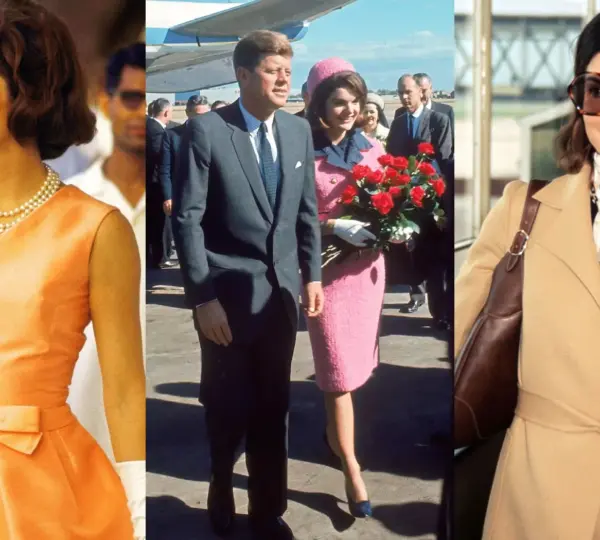
As First Lady, Jacqueline Kennedy Onassis brought a sense of refinement and sophistication that captivated both the American public and international audiences.
She spearheaded an extensive restoration of the White House, emphasizing historical accuracy and cultural preservation.
Under her guidance, the Executive Mansion became not only a residence but a living museum, reflecting the nation’s history and serving as a symbol of American identity.
She also championed the arts, bringing artists, writers, and musicians into the White House and demonstrating that cultural engagement was not merely an accessory to political life, but an essential component of it.
Her televised tours of the restored White House captivated viewers across the country, showcasing not only the beauty of the renovation but also the intelligence, elegance, and charm with which she presented it.
These efforts were not simply aesthetic; they reflected her belief that history, culture, and civic pride were inseparable, and that the First Lady could be a steward of both heritage and public imagination.
Jacqueline’s impact extended beyond the arts and architecture.
Her fashion sense—marked by tailored suits, elegant gloves, and iconic pillbox hats—became emblematic of an era, influencing generations of women around the world.
But while style was a visible aspect of her public persona, it was her intellect and ability to navigate complex social and political dynamics that truly distinguished her.
Fluent in French and well-versed in history, literature, and international affairs, she embodied a modern ideal of sophistication that blended cultural literacy with approachability.
At the same time, Jacqueline faced profound personal tragedies that tested her resilience.
The assassination of President Kennedy in 1963 thrust her into the global spotlight under circumstances no one could have anticipated, requiring her to manage grief with extraordinary composure while supporting her children and fulfilling the nation’s expectation of ceremonial dignity.

Related Posts

Vanished Before The Heartbeat Stopped
Her heartbeat vanished, and with it, the illusion that anyone is ever truly safe. One moment, an 84‑year‑old mother is settling into bed; the next, her pacemaker…

Electrical Safety at Home: Why Proper Charger Use Matters More Than You Think
Charging Safety at Home: Experts Warn of Hidden Risks Behind Everyday Habits Charging electronic devices has become a routine part of modern life, but experts warn that…

Why Closing Your Bedroom Door at Night Can Improve Safety: A Practical Guide for Every Household
Close Before You Sleep: Why a Simple Nighttime Habit Can Improve Home Safety Each night, millions of people follow familiar routines—switching off lights, setting alarms, and settling…
Why Vertical Lines on Your Nails Often Appear With Age
Noticing thin vertical lines running from the base of your fingernails to the tips can feel surprising, especially as they become more visible with age. Many people…

Doctors Urge People To Stop Taking VITAMIN D if They Have These Symp…See more
Vitamin D could be quietly saving your bones—or silently poisoning your kidneys. Millions swallow their “sunshine vitamin” each morning, convinced more means better health. But behind the…

Eating Sprouted Potatoes: Is It Safe?
I recently dug through my pantry, mostly searching for pasta but also avoiding actual work. That’s when I found a bag of potatoes… and they had sprouted….