International travel rules often change quietly, buried in embassy notices or consular updates that rarely attract global attention.
Yet at certain moments, adjustments to visa policies send a far louder message—one that goes beyond tourism or border control and into the realm of diplomacy.
Power, and reciprocity. Recent developments involving U.S. passport holders…
International travel rules often change quietly, buried in embassy notices or consular updates that rarely attract global attention.
Yet at certain moments, adjustments to visa policies send a far louder message—one that goes beyond tourism or border control and into the realm of diplomacy.
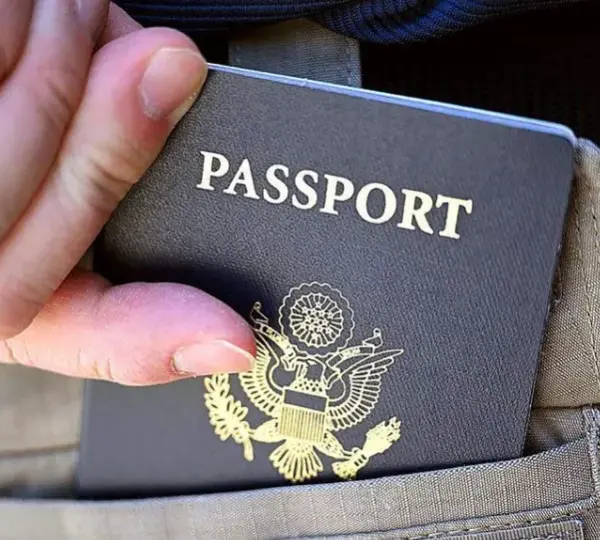
Power, and reciprocity. Recent developments involving U.S. passport holders traveling to parts of West Africa, particularly in the Sahel region, illustrate how mobility has become an increasingly visible tool of international relations.
What may appear at first glance to be routine administrative decisions are, in reality, part of a broader conversation about fairness, sovereignty, and how nations respond when political relationships shift.
For travelers, aid organizations, researchers, and families, these changes have tangible consequences. For governments, they reflect evolving strategies in a world where access to borders is no longer taken for granted.
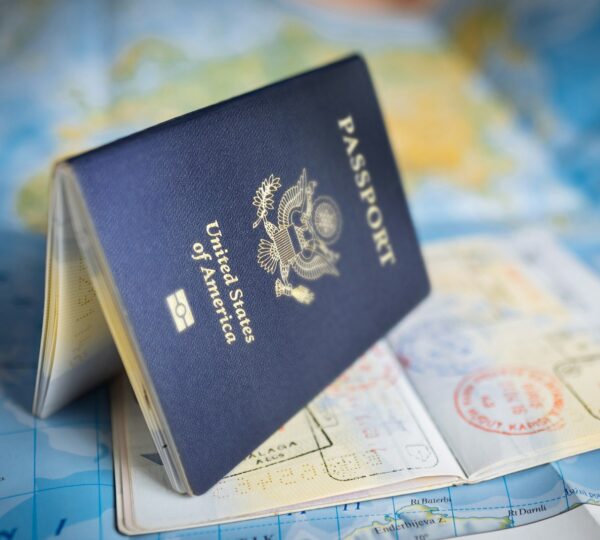
Niger’s Decision: Reciprocity as Policy
In Niger, authorities recently announced a suspension of visa issuance for U.S. citizens, a move that immediately drew attention from diplomats, travelers, and policy analysts.
Officials framed the decision as a reciprocal measure, responding to restrictions imposed by the United States on Nigerien officials following political developments within the country.
Government representatives were careful in their messaging. Rather than characterizing the action as retaliation, Niger emphasized the principle of equal treatment between sovereign states.
The argument was straightforward: when one country restricts access for officials or citizens of another, reciprocity becomes a legitimate diplomatic response.
This framing matters. By highlighting reciprocity, Niger positioned its decision not as an escalation, but as an assertion of parity.
In diplomatic terms, it signaled that visa policies should reflect balanced relationships, not unilateral limitations imposed without consequence.
Such moves are not unprecedented. Around the world, visa reciprocity has long been used as a means of signaling dissatisfaction or asserting national dignity.
What makes Niger’s decision notable is the broader context in which it occurred—one marked by shifting alliances, regional instability, and a growing skepticism in parts of West Africa toward Western political influence.
A Region in Transition: Mali and Burkina Faso
Elsewhere in the Sahel, the situation is more complex and less formalized. Mali and Burkina Faso have not announced outright bans on U.S. travelers
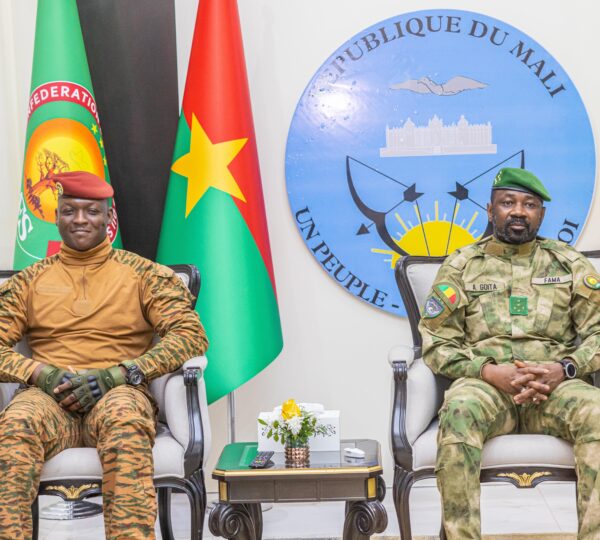
. Instead, Americans heading to these countries have reported longer visa processing times, additional documentation requirements, and increased scrutiny at border entry points.
These measures are not presented as blanket restrictions. Rather, they appear to be case-by-case decisions, often tied to security assessments and evolving diplomatic considerations.
For travelers, this creates uncertainty. Planning trips becomes more complicated, timelines less predictable, and entry approvals harder to anticipate.
Officials in these countries have cited security concerns, ongoing regional conflicts, and administrative reviews as reasons for tighter controls.
At the same time, relationships with Western governments—including the United States—have undergone noticeable changes in recent years.
As political priorities shift, so too do the mechanisms through which states manage foreign access.
The result is a landscape where Americans are not formally barred, but where entry is no longer routine. For many, this represents a significant departure from past expectations.
From Washington’s Perspective
From the U.S. government’s standpoint, visa restrictions and travel advisories are typically described as administrative tools.
In official statements, U.S. authorities generally stress that policies affecting foreign nationals are designed to protect national interests and maintain consistent standards, not to punish populations.
However, these explanations do not always resonate abroad—particularly in regions where historical experiences have shaped deep sensitivities around unequal treatment.
In West Africa, leaders and commentators have voiced concerns that U.S. and European travel policies disproportionately affect their citizens while reinforcing long-standing imbalances in global mobility.
For many, the issue is not only about security, but about who bears the burden of restrictions and how decisions are communicated.
The Human Impact of Policy Shifts
While diplomatic language often dominates discussions of visas and borders, the real impact is felt by individuals. Sudden changes in travel rules affect:
Families separated by borders
Aid workers responding to humanitarian needs
Researchers and journalists covering regional developments
Students pursuing education or exchange programs
Business travelers navigating fragile economic ties
For these groups, uncertainty can be as disruptive as outright bans. Delays, additional paperwork, and unpredictable approvals can derail projects, strain relationships, and increase costs.
In regions like the Sahel—where international assistance, academic collaboration, and development programs play critical roles—restricted mobility has consequences that extend beyond diplomacy.
It shapes how knowledge is shared, how aid is delivered, and how communities remain connected to the outside world.
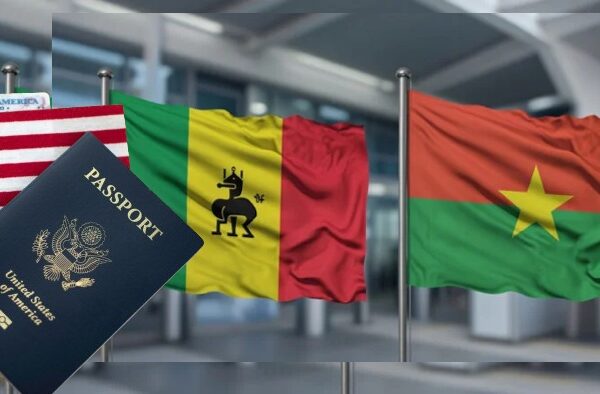
Visa Policy as a Diplomatic Signal
Historically, visas were viewed primarily as tools of immigration control. Today, they increasingly function as signals of political alignment or disagreement. When relations are strong, borders tend to open. When trust erodes, access narrows.
Niger’s emphasis on reciprocity reflects this shift. Rather than accepting asymmetric restrictions, the country chose to mirror policies it perceived as unfair.
This approach aligns with a broader trend among states seeking greater leverage in international relationships traditionally dominated by more powerful nations.
At the same time, countries like Mali and Burkina Faso illustrate a different strategy—one that avoids sweeping announcements but applies discretion at the border.
This method allows governments to maintain flexibility while still asserting control.
Lessons From the Past
West Africa has seen similar situations before. In previous years, countries such as Chad adjusted visa requirements for U.S. travelers amid diplomatic tensions, only to later revise those policies as relations evolved.
These examples suggest that current restrictions are not necessarily permanent.
Visa policies are among the most easily adjustable tools in diplomacy. They can be tightened or relaxed without legislative overhaul, making them useful during periods of reassessment.
History shows that as dialogue improves and trust is rebuilt, access often follows.
This pattern offers a measure of reassurance to travelers and organizations affected by current changes. While uncertainty may persist in the short term, policies can and do evolve.
Fairness, Sovereignty, and Global Mobility
At the heart of these developments lies a fundamental question: who gets to move freely, and on what terms?
For decades, citizens of wealthy nations have enjoyed broad visa-free access, while travelers from developing regions face extensive restrictions.
West African leaders increasingly challenge this imbalance. By invoking reciprocity and sovereignty, they highlight a system many view as unequal.
Visa policies, in this sense, become part of a larger debate about dignity, independence, and global fairness.
For the United States and its partners, these responses serve as reminders that travel rules are not neutral. They carry symbolic weight and can influence perceptions far beyond border checkpoints.
What Travelers Should Know
For U.S. citizens considering travel to West Africa:
Check official embassy and consular guidance regularly, as policies can change quickly
Allow extra time for visa applications and entry processing
Prepare additional documentation, including travel justifications and return plans
Monitor local conditions, as security concerns may affect entry decisions
Flexibility and preparation are increasingly essential when traveling to regions undergoing political and diplomatic transitions.
Looking Ahead
The recent decisions by Niger and the evolving practices in Mali and Burkina Faso point to a period of reassessment in U.S.–West Africa relations. Rather than isolated incidents, these changes reflect broader questions about partnership, respect, and mutual accountability.
Future access will likely depend on continued dialogue, clearer communication, and efforts on all sides to rebuild trust.
Transparency—both in how restrictions are imposed and how they are explained—will play a key role in preventing misunderstandings.
For now, the message is clear: international travel is no longer just about passports and visas.
It is increasingly a reflection of political relationships and the balance of power in a changing world.
As diplomacy evolves, so too will the rules that determine who can cross borders—and how easily.