As automobiles gained popularity in the early 20th century, maintaining them became a necessity. Among the many essential upkeep tasks, oil changes became a priority to ensure the longevity and efficiency of engines. However, replacing oil filters presented a challenge—filters were tightly secured and often located in hard-to-reach places beneath the engine.
To solve this problem, a specialized tool was introduced: the oil filter wrench. This seemingly simple yet ingenious invention became a game-changer for mechanics and car owners alike, making oil changes far more efficient. But where did this tool come from, and how has it evolved over the years? Let’s take a deep dive into the fascinating history of the oil filter wrench.
The Birth of the Oil Filter Wrench
The early 1900s saw a surge in automobile ownership, creating a growing need for better maintenance tools. Oil filters were designed to trap dirt, metal particles, and other contaminants, preventing them from circulating through the engine. However, replacing these filters wasn’t easy—they were often screwed on tightly and, over time, became even more difficult to remove due to heat, dirt buildup, and oil residue.
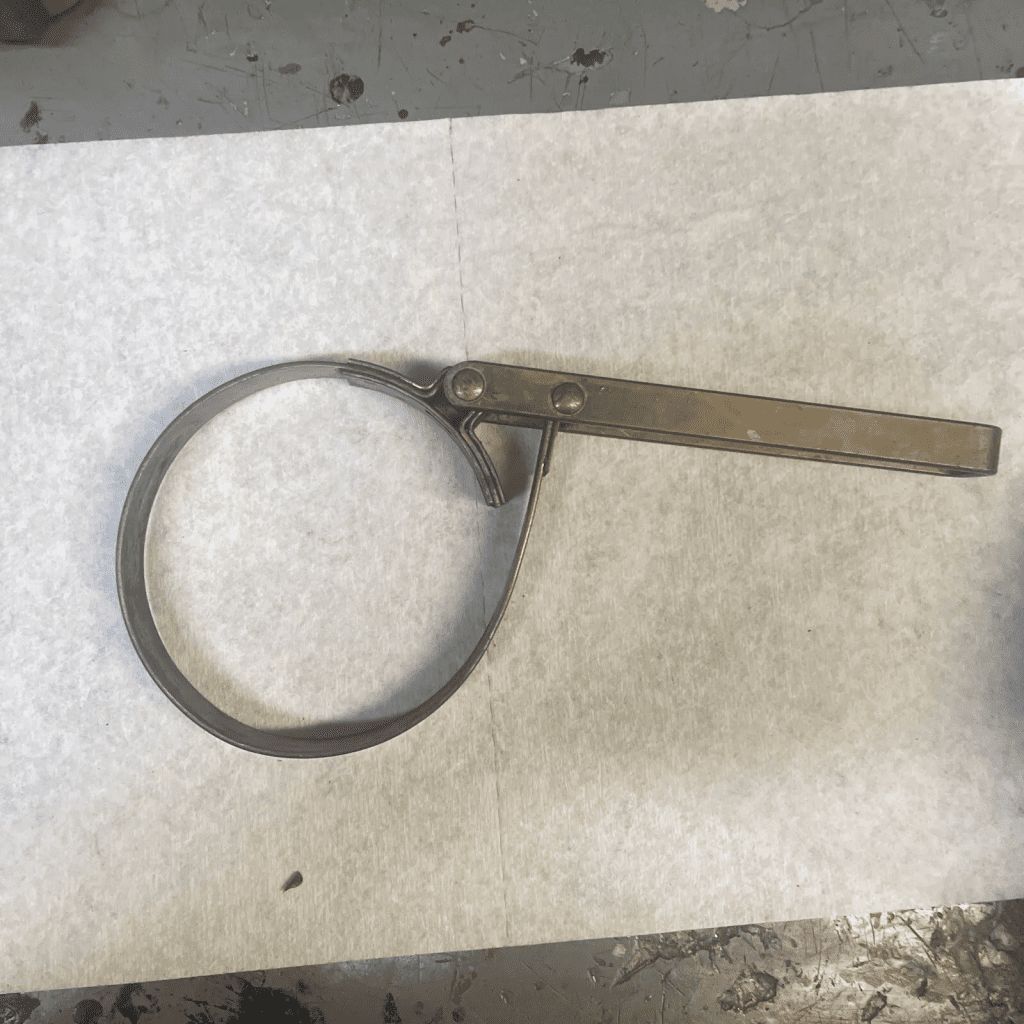
Mechanics quickly realized that a specialized tool was necessary to grip and twist off oil filters with minimal effort. Thus, the first versions of the oil filter wrench emerged. These early designs were rudimentary yet effective, often featuring a strap or chain mechanism that wrapped around the filter, allowing mechanics to apply the necessary torque to loosen or tighten it.
This simple yet revolutionary tool transformed car maintenance, making it faster, easier, and more efficient, and it soon became an essential part of every mechanic’s toolkit.
Video: How to use an Oil Filter wrench
How the Oil Filter Wrench Works
At its core, the oil filter wrench is designed to grip and rotate the oil filter, making it easy to loosen or tighten. Since oil filters are cylindrical and smooth, they are difficult to grip with bare hands, especially when coated in oil.
The earliest models of oil filter wrenches featured a loop or chain that wrapped securely around the filter. Once positioned, the mechanic could apply leverage using the handle, generating the necessary force to twist off even the most stubborn filters.
As automobile technology advanced, so did the designs of the oil filter wrench. Today, several variations cater to different types of filters and user preferences:
- Strap Wrenches – Feature an adjustable rubber or fabric strap that tightens around the filter. These are ideal for larger filters and can be used in tight spaces.
- Cup Wrenches – Designed to fit specific filter sizes, providing a secure grip with minimal risk of slippage or damage.
- Claw-Type Wrenches – Equipped with metal “claws” that clamp onto the filter for maximum leverage, making them ideal for removing stuck filters.
Each type of oil filter wrench offers unique advantages, catering to different car models, filter sizes, and levels of accessibility.
The Evolution of Oil Filter Wrench Designs
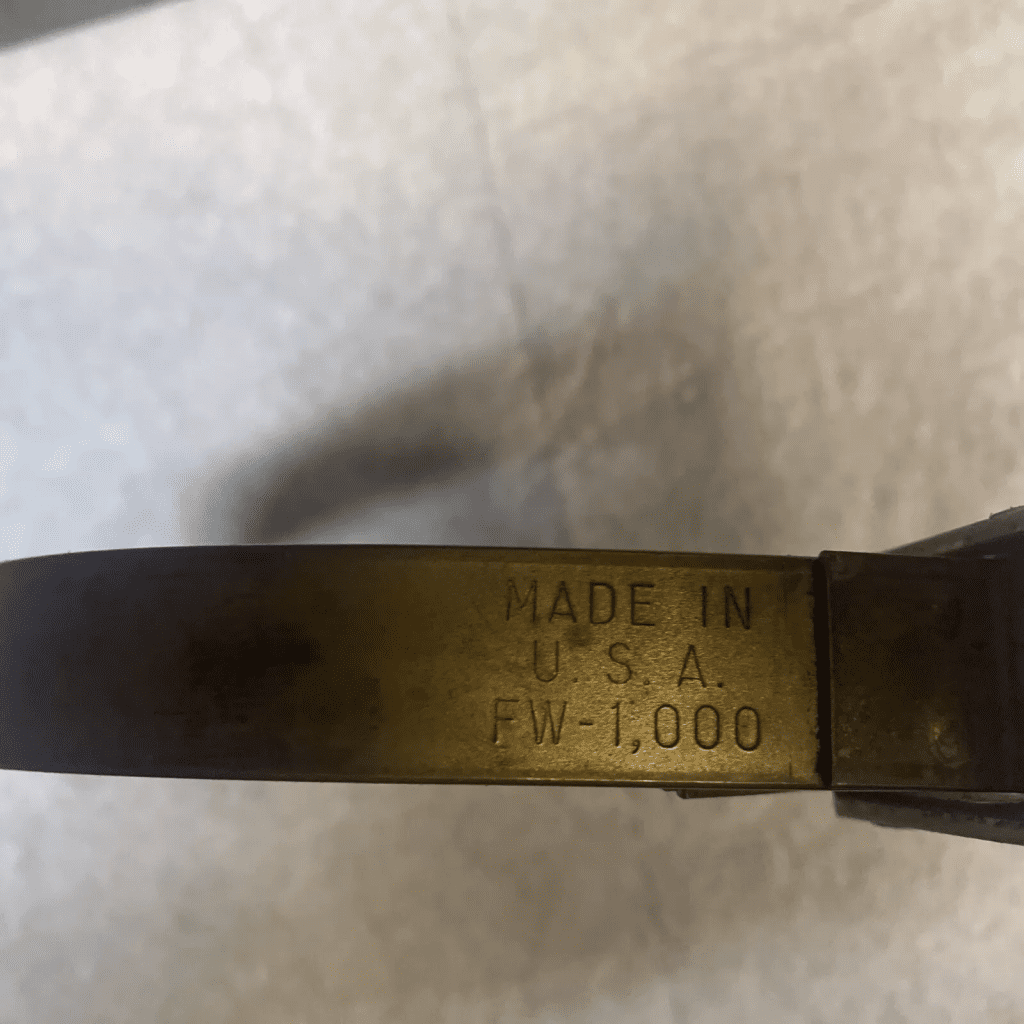
While the earliest oil filter wrenches were effective, they were also basic and required manual effort. Over time, advancements in engineering led to improved grip, comfort, and versatility in wrench designs.
Some of the most notable innovations include:
- Adjustable Wrenches – A single tool could now accommodate various filter sizes, eliminating the need for multiple wrenches.
- Ergonomic Handles – Padded and contoured handles reduced hand strain, making the tool more comfortable to use.
- Ratcheting Mechanisms – Allowed for faster and more efficient filter removal without requiring constant repositioning.
These advancements enhanced usability and efficiency, making oil filter wrenches more reliable and user-friendly than ever before.
The Vintage Oil Filter Wrench: A Collector’s Item
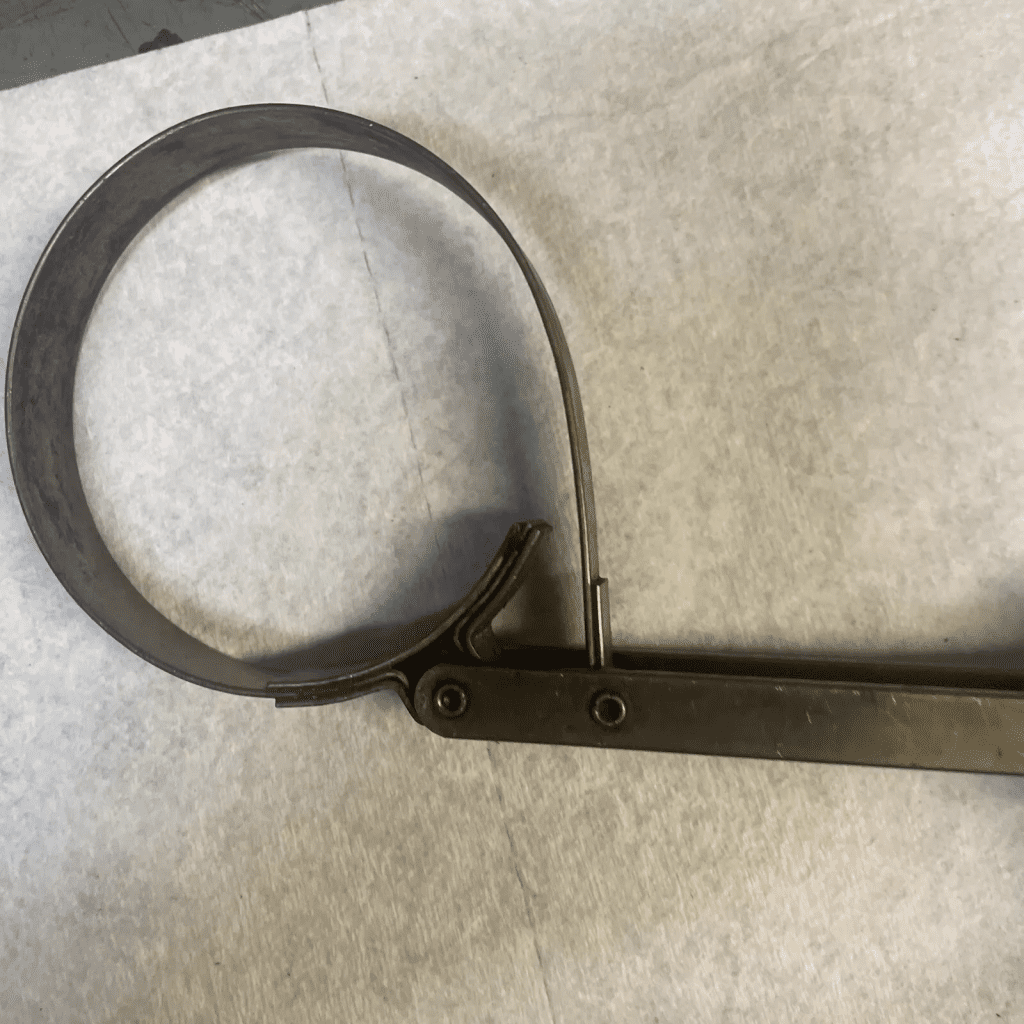
Despite the modernization of automotive repair tools, vintage oil filter wrenches still hold a special place in car culture and history. Many classic car enthusiasts prefer using original tools from their vehicle’s era, not just for authenticity but also for the craftsmanship and mechanical simplicity they represent.
Collectors admire these tools for their ingenuity and durability, as many were made with high-quality metals and built to last. Some of the earliest models, such as those from the 1920s and 1930s, are now considered valuable relics, offering a glimpse into the early days of automobile maintenance.
For mechanics who work on vintage cars, using an original oil filter wrench can be a rewarding experience—it connects them to the hands-on, mechanical era of automotive repair, long before computerized diagnostics took over.
Why the Oil Filter Wrench Remains Essential Today
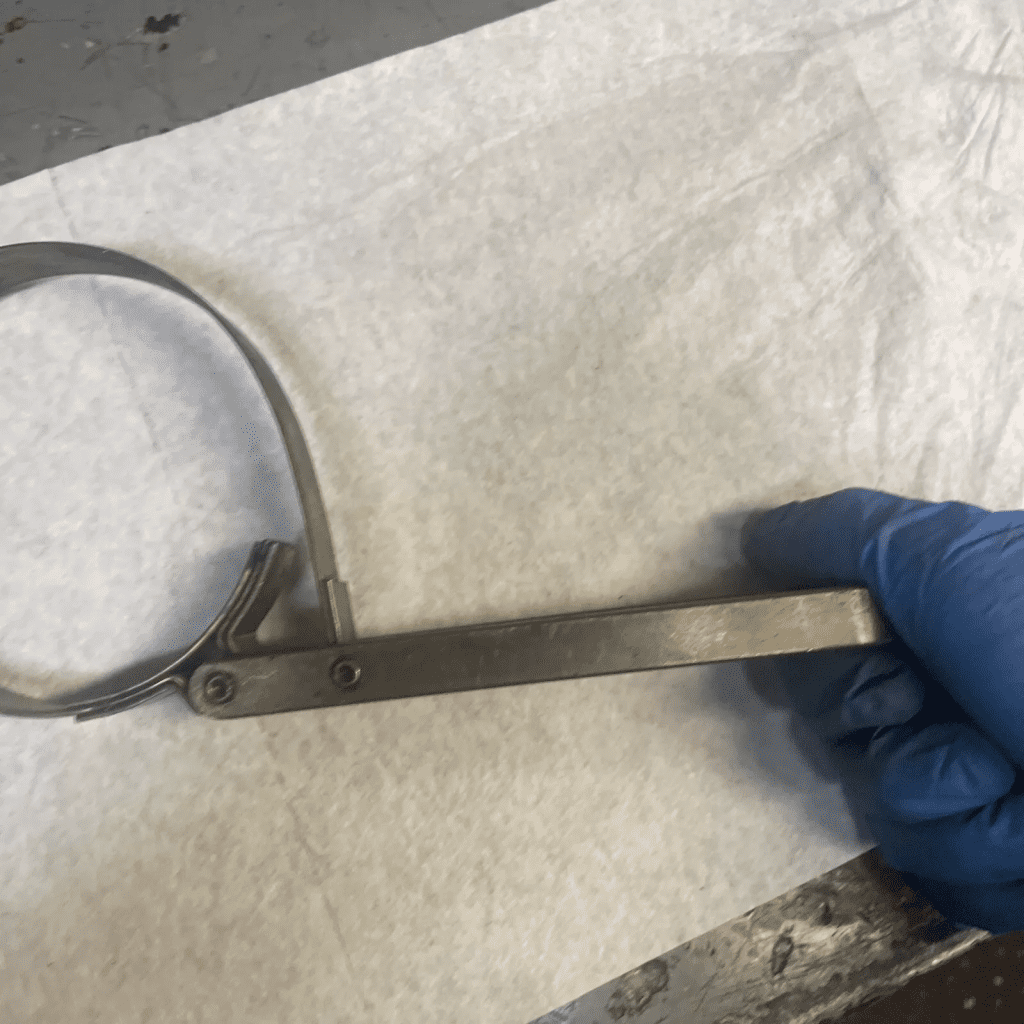
Even as car technology advances, oil filter maintenance remains a crucial aspect of engine care. Some modern vehicles now feature longer-lasting filters or even permanent filtration systems, but the traditional oil filter wrench continues to be a must-have tool for professional mechanics and DIY car enthusiasts alike.
Oil changes are among the most common forms of vehicle maintenance, and having the right tool for the job ensures efficiency and ease. Whether you’re working on a classic car or a brand-new vehicle, the oil filter wrench remains an indispensable tool that simplifies one of the most fundamental aspects of auto care.
Final Thoughts: A Timeless Tool in Car Maintenance
The oil filter wrench began as a simple yet necessary invention in the early 20th century, but its impact on the automotive industry is undeniable. Over time, it evolved from a rudimentary chain-and-strap tool to a highly efficient, ergonomic, and specialized device used by mechanics worldwide.
Despite advancements in car technology, the need for reliable maintenance tools like the oil filter wrench remains as strong as ever. It symbolizes innovation, craftsmanship, and the ongoing pursuit of efficiency in auto repair.
Whether you’re a professional mechanic, a classic car enthusiast, or simply someone who enjoys working on your vehicle, the oil filter wrench continues to stand the test of time, proving that even the simplest tools can leave a lasting legacy.