In a bold and contentious move that has reverberated across the Lone Star State, the Texas House of Representatives has voted to revoke direct deposit access for Democratic lawmakers who fled the state to block legislative action.
A step that effectively withholds their paychecks until they physically return to Austin. At the same time, each absent member now faces a daily fine of $500 for every day they remain away.
Piling up quickly as the political standoff drags on and tensions escalate in the state capital.
This extraordinary escalation highlights just how deep the divisions have grown in Texas politics and how lawmakers are now using financial leverage as a tool to compel participation in the legislative process.
For supporters of the measure, the sanctions are seen as a necessary enforcement of legislative duty. For critics, they represent political retaliation and a troubling precedent in state governance.
Yet regardless of one’s political perspective, one thing is clear: the longer these lawmakers stay out of state, the more severe the financial consequences will become.

What Caused the Standoff?
The roots of this confrontation lie in what is known as a quorum break — a tactic used when a minority faction of lawmakers purposely refuses to attend legislative sessions in order to prevent the body from conducting business.
In the Texas House, a quorum (the minimum number of members required to legally conduct business) is 100 out of 150 members.
If fewer than 100 members are present, no votes can occur on any legislation except one thing: compelling legislators to return.
In early August 2025, most of the House’s Democratic members — more than 50 in total — left the state to deny Republicans the quorum needed to move forward with a new mid-decade congressional redistricting plan.
That plan, backed by Republican leadership, aimed to redraw Texas’s U.S. House districts in a way that could give the GOP as many as five additional safe seats in the U.S. House of Representatives ahead of the 2026 midterms.
Since state law enforcement cannot compel lawmakers to return once they are outside Texas, this strategy is one of the few ways a minority party can effectively halt legislative action.
Democrats argue that the proposed maps were an extreme gerrymander and sought to block them by any means available — including leaving the state.
Republican lawmakers, including House Speaker Dustin Burrows, have fiercely rejected that justification, framing the absence as dereliction of duty.
In response, they have turned up the political pressure with unprecedented financial penalties and enforcement measures.
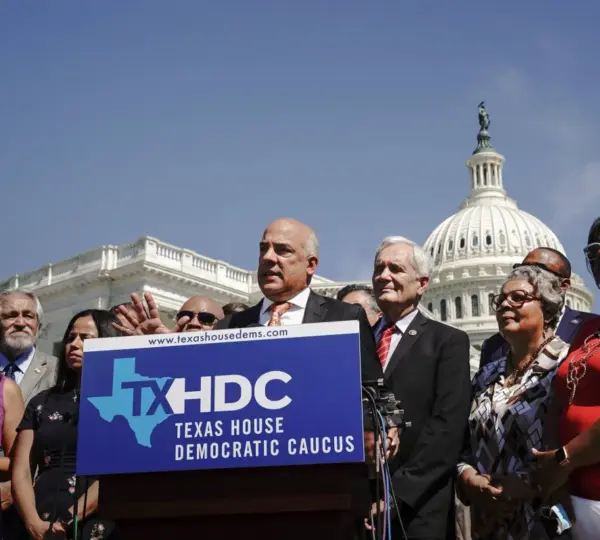
Suspend Direct Deposits: What It Means and Why It Matters
One of the most impactful steps taken by the Republican-led House is the decision to suspend direct deposit for absent Democratic legislators until they return to the Capitol.
Normally, lawmakers receive their pay — which is relatively modest at about $600 per month — and per diem payments electronically.
But under the new rules, absent lawmakers must physically come to the Capitol to pick up their paychecks and any per diem payments they are owed.
This may seem like a small inconvenience at first glance, especially given that lawmakers tend to congregate in state capital hotels during regular sessions.
But for legislators who have traveled hundreds or even thousands of miles from Texas — some in Chicago, others in New York and beyond — collecting a paper paycheck in person is a meaningful disruption and a powerful form of leverage.
House rules also allow for the fines imposed on absent lawmakers — $500 per day for each day they are absent specifically to break quorum — and these can compound quickly.
Reports circulated in late August indicated individual fines in excess of $9,000 for two-week absences during this most recent standoff, with the total fines for all absentees approaching nearly half a million dollars when accounting for other costs.
Because Texas legislators are part-time lawmakers and generally receive modest compensation, these financial penalties carry real weight.
Some Democrats have raised concerns that this punishment effectively punishes them twice for attempting to exercise a constitutional parliamentary tactic.
The Legal and Political Backdrop
The Texas Constitution and House rules clearly outline quorum requirements and the ability of the Legislature to compel attendance.
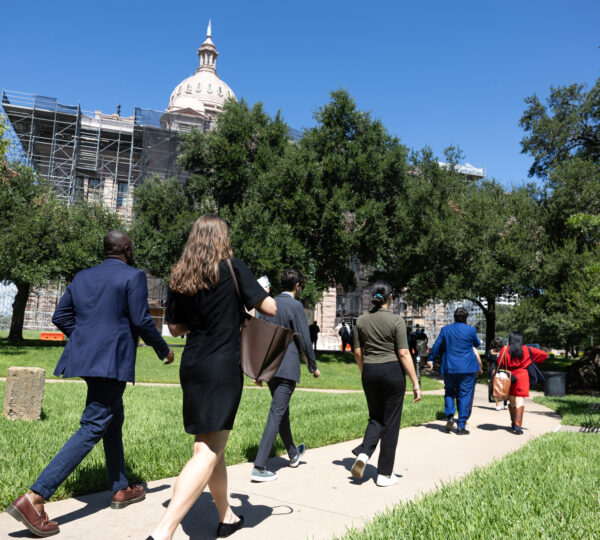
However, while the House can impose fines or revoke pay for absence, it cannot forcefully bring lawmakers back to Texas once they are outside the state. That jurisdiction ends at the Texas border.
In fact, in a prior case concerning a 2021 quorum break, the Texas Supreme Court confirmed that while absence can be penalized, the courts could not compel lawmakers to return once they were out of state.
Thus Republican efforts to deploy civil arrest warrants against absent Democrats have limited practical effect unless those lawmakers choose to return to Texas.
Governor Greg Abbott and Attorney General Ken Paxton have also threatened additional legal consequences for absent Democrats, including seeking to declare seats vacant if elected officials intentionally abandon their duties when called into session. Paxton’s office has argued that purposeful absence constitutes an abdication of responsibility.
In parallel, Republican leaders passed legislative measures aimed at tightening the rules on quorum breaks, including restrictions on fundraising while absent and further penalties for those who attempt to benefit financially from leaving the state.
Responses and Reactions: Divided Lines
The moves by House Republicans have sparked heated debate from both sides of the aisle:
Supporters of the sanctions argue:
Lawmakers have an obligation to represent their constituents by showing up for legislative sessions.