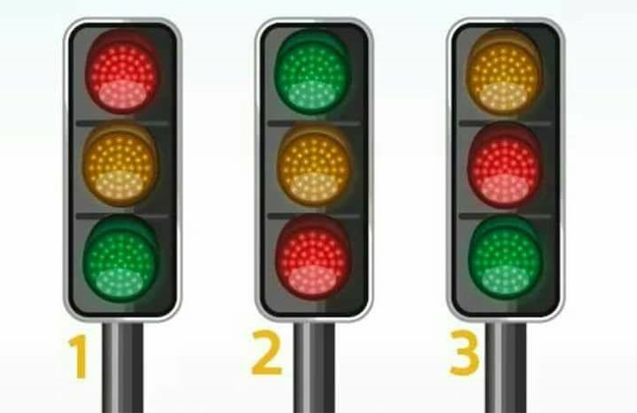
Traffic lights are a simple yet essential part of road safety that almost everyone encounters daily. They guide us through intersections, ensuring a smooth and safe flow of traffic. However, have you ever wondered what each color really represents beyond the basic “stop,” “slow down,” or “go”? In this article, we’ll dive deeper into the meaning behind each color of the traffic light—red, yellow, and green—and explain how they function to keep us safe on the road.
The Purpose of Traffic Lights
Before we get into the colors themselves, let’s talk about the overall purpose of traffic lights. These signals are designed to control traffic at intersections and crosswalks, reducing the risk of accidents and confusion among drivers and pedestrians. By organizing the flow of vehicles and pedestrians, traffic lights provide a clear and consistent method of handling right-of-way, ensuring everyone moves in an orderly and safe manner.
Now, let’s break down the significance of each light.
Red Light: The Command to Stop
The red light is perhaps the most well-known of the three. It commands immediate attention and universally means one thing—stop. Whether you’re a driver, cyclist, or pedestrian, the red light signals a mandatory halt.
But why red? Red has been used as a warning signal long before modern traffic lights existed. It’s associated with danger and caution in various contexts. In traffic, the red light serves to protect us, creating a clear boundary that must not be crossed until it’s safe to proceed.
Red lights generally appear at intersections and are placed to ensure that drivers stop and allow the other directions of traffic or pedestrians to move safely. Failing to stop at a red light is not only illegal but also extremely dangerous, as it can lead to accidents, fines, and in some cases, injury or death.
Key Points about the Red Light:
- Signals drivers and pedestrians to come to a complete stop.
- Typically lasts the longest, ensuring safety for cross-traffic.
- Running a red light is a major traffic violation.
Yellow Light: The Warning to Slow Down
The yellow light acts as a bridge between red and green. It serves as a warning that the light is about to turn red, signaling drivers to slow down and prepare to stop. Unfortunately, this light often causes the most confusion. Some drivers see yellow and rush through the intersection, trying to beat the red light. Others may slam on the brakes, even if they have enough time to clear the intersection safely.
The intention behind the yellow light is not to encourage hasty decisions, but rather to provide a cautionary pause. It allows enough time for vehicles already in the intersection to pass safely while alerting other drivers that they need to be ready to stop.
Yellow lights vary in duration based on the speed limit and the design of the intersection. In areas with higher speed limits, the yellow light may last longer, giving drivers enough time to react appropriately.
Key Points about the Yellow Light:
- Warns that the light will soon turn red.
- Signals drivers to slow down, not to speed up.
- Designed to clear the intersection safely before the red light appears.
Green Light: The Signal to Go
The green light is the signal we all look forward to—go. It tells drivers and pedestrians that it’s safe to proceed through the intersection, provided that the path is clear. However, going immediately when the light turns green isn’t always the best idea. You should first check for any vehicles that might be running a red light or pedestrians who may still be in the crosswalk.
Green lights give the “all-clear” for forward movement, but they come with an important condition: only proceed if it is safe to do so. In many cases, this means waiting a few seconds before moving, especially in busy areas where other drivers may not be paying attention to their own red light.
In some instances, green lights may include arrows. A green arrow indicates that drivers in a specific lane can make a turn, usually left or right, without interference from oncoming traffic. These arrows are particularly useful at busy intersections where turning without a specific signal could cause delays or accidents.
Key Points about the Green Light:
- Indicates that it’s safe to move forward.
- Requires checking for hazards before proceeding.
- Green arrows guide turns safely at intersections.
How the Three Lights Work Together
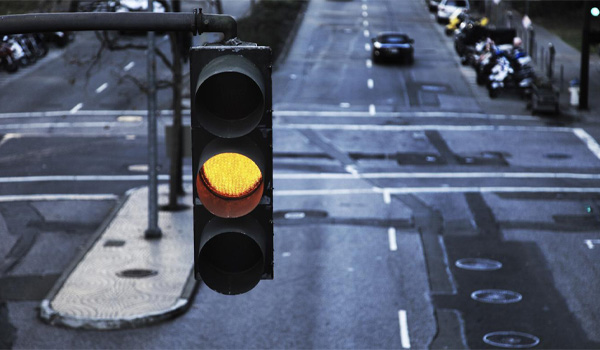
The real magic of traffic lights comes from how these three colors work together to ensure the smooth flow of traffic. The red, yellow, and green sequence is designed to maintain order on the road, reducing confusion and increasing safety. Here’s how they interact:
- Red stops all traffic, allowing pedestrians or cross-traffic to move safely.
- Yellow gives drivers time to prepare for the red light, preventing abrupt stops and crashes.
- Green allows traffic to move forward, ensuring that vehicles don’t remain stuck indefinitely.
This coordinated system operates on a timed cycle, which can vary based on the intersection, time of day, and traffic volume. In more advanced traffic systems, sensors in the road may detect traffic levels and adjust the timing of the lights to optimize flow.
Common Misconceptions about Traffic Lights
Many drivers develop bad habits or misunderstandings about how traffic lights work. Let’s clear up a couple of the most common misconceptions:
- Yellow means speed up: No, yellow does not mean rush to beat the red light. It’s a warning to slow down and prepare to stop.
- Green means go without looking: A green light doesn’t grant absolute safety. Always check for potential hazards like red-light runners or pedestrians before proceeding.
Understanding the true meaning behind these traffic lights can help you stay safe and avoid dangerous mistakes.
Conclusion: The Importance of Obeying Traffic Lights
Traffic lights may seem like a basic part of driving, but their role in ensuring road safety cannot be overstated. Each color—red, yellow, and green—serves a specific purpose, and together they create a system that manages traffic efficiently and prevents accidents.
So, which traffic light is correct? The answer is all three! They work in unison to control the flow of traffic and keep everyone on the road safe. Whether you’re stopping at a red light, slowing down at a yellow, or moving forward on green, understanding the meaning and purpose behind each light is key to being a responsible and safe driver.