Eggs are a versatile and beloved ingredient in many of our favorite dishes, but it’s important to store them properly to maintain their freshness and ensure they are safe to eat. Whether you prefer farm-fresh eggs or store-bought ones, here are some helpful tips to keep them in excellent condition:
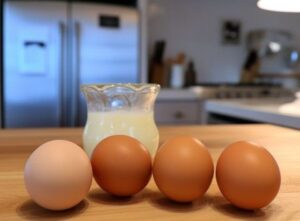
For raw eggs, it’s best to refrigerate them at temperatures between 35°F and 40°F (1.7°C to 4.4°C). By doing so, you can extend their freshness for about 3-5 weeks. Don’t forget to keep them in the original carton as it helps protect against strong odors.
When you’re on the go and need a quick meal, hard-boiled eggs are a convenient option. Store them in airtight containers in the refrigerator, and they can last up to a week while still retaining their freshness.
If you’ve cooked eggs, such as scrambles or omelets, it’s crucial to allow them to cool down before storing them in sealed containers. This simple step will ensure they remain edible for 3-4 days.
For cooking convenience, liquid eggs are available in cartons. If unopened, they can last up to a week past the “sell-by” date. However, once opened, it’s best to use them within two days. On the other hand, egg replacements, commonly used in baking, have a longer shelf life of 10-14 days when properly sealed and refrigerated.
To prevent bacterial growth and illnesses like Salmonella, it’s crucial to store eggs at temperatures below 40°F (4.4°C). In warmer climates, be extra cautious about leaving egg-based meals at room temperature as bacteria thrive in these conditions.
If you’re unsure about the freshness of an egg, here’s a simple “float test” you can do. Submerge the egg in a bowl of water. Fresh eggs will sink to the bottom, while older eggs may float due to an enlarged air pocket.
By following these easy-to-implement practices, you can confidently enjoy the culinary wonders that eggs have to offer. Remember, when eggs are stored and handled correctly, they remain a reliable and enjoyable ingredient in our kitchens.