“We worry about what a child will become tomorrow, yet we forget that he is someone today” – Stacia Tauscher.
As parents, we often focus on the future, thinking about the adults our children will grow up to be. However, we must not forget the importance of who they are right now—unique individuals with thoughts, ideas, and feelings of their own. One of the most powerful gifts we can give our children is the freedom of expression. This article delves into why giving your child this freedom is critical for their development and how you can foster it effectively.

Understanding Freedom of Expression for Children
Freedom of expression is the right to share ideas, opinions, and feelings without fear of repression, as long as it doesn’t harm others. For children, this freedom extends beyond speech. It encompasses their right to explore thoughts through art, writing, and any form of creative or intellectual expression. Just like adults, children deserve the space to express themselves, whether through words, drawings, or actions.
Children also have fundamental rights that parallel those of adults—freedom of thought, movement, religion, and the right to privacy. These liberties empower them to voice their concerns and participate in decisions that affect their lives, including opinions that might differ from those of their parents. Encouraging this freedom helps children develop confidence, autonomy, and self-worth.
Why Freedom of Expression Is Vital for Children
Allowing children to express themselves plays a pivotal role in their emotional and cognitive development. Philosopher Stuart Mill once emphasized that freedom of expression is essential for society because it allows people to share their ideas, sparking progress and innovation. This idea applies just as much to children—they need the opportunity to contribute their voices to the world around them.
The freedom to express also helps children better understand themselves. Through self-expression, they can explore their emotions, clarify their thoughts, and build problem-solving skills. When children are encouraged to speak up, they learn to stand up for their rights and the rights of others.
1. The Power of Expression in Children’s Rights
Children’s freedom of expression is protected under international laws, including Article 13 of the Child Rights International Network (CRIN). This article emphasizes that every child has the right to express themselves freely through various forms of communication, whether it’s speech, writing, art, or media. The exercise of this right can be subject to restrictions to protect public safety or the rights of others, but its core purpose is to foster the child’s ability to seek and share knowledge.
By allowing children the space to express themselves, we help them understand how their rights are respected or infringed upon. Moreover, it teaches them to advocate for the rights of others. This sense of responsibility and empathy develops only when children are granted the opportunity to voice their concerns.
2. Balancing Rights with Responsibilities
With the freedom to express comes the responsibility to respect the opinions of others. It’s important to teach children that their words have power and that with this power comes the need to listen and be open to differing viewpoints. Disagreement is a natural part of communication, and children should learn to engage in respectful dialogue, even when opinions clash.
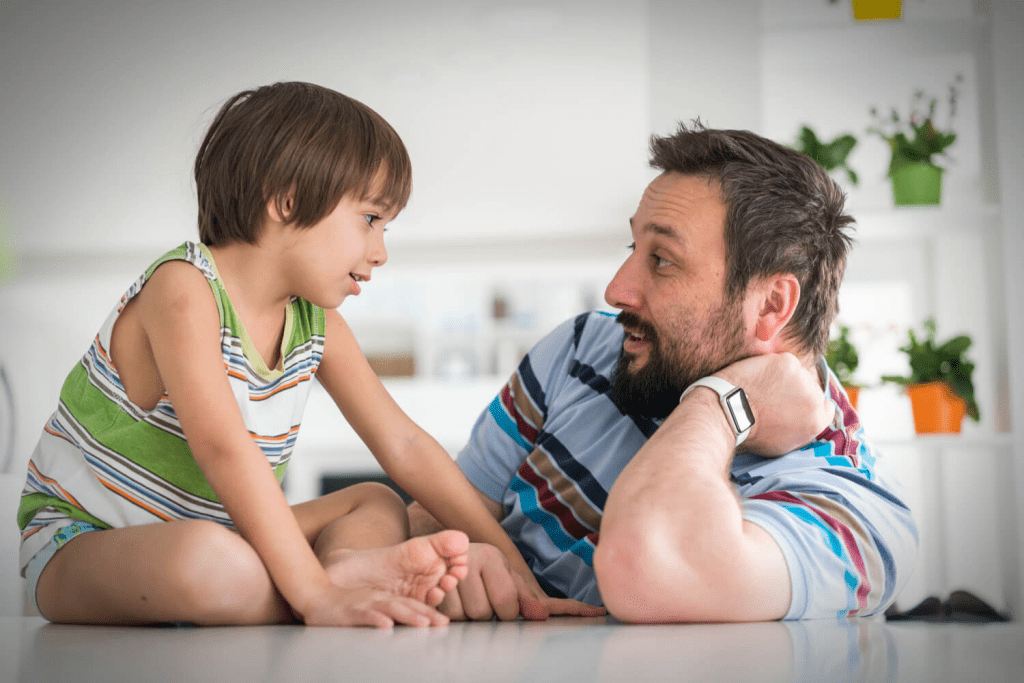
Parents must also ensure their children understand when to disengage, especially in the digital age. If faced with hate speech or misinformation, such as a harmful rumor spread through social media, it’s essential to teach them the value of blocking or reporting harmful content rather than perpetuating it.
3. Setting Healthy Boundaries for Expression
While it’s important to give children the freedom to express themselves, parents also need to set healthy boundaries. Freedom of expression doesn’t mean allowing children to say or do anything without consequence. Instead, it’s about providing a safe space where they can express themselves without fear of punishment, while still understanding the importance of respect, fairness, and kindness.
Children should be free to share their thoughts, but they should also understand that their words have an impact. Just as George Washington once said, “If freedom of speech is taken away, then dumb and silent we may be led, like sheep to the slaughter,” it’s crucial that we don’t silence children. Instead, we should guide them in using their voice responsibly.
4. Encouraging Creativity and Self-Expression
Creativity is a natural extension of freedom of expression. Children are naturally imaginative, and fostering that creativity can have lasting benefits for their development. When children are given the space to create, they not only build confidence but also develop problem-solving skills and resilience.
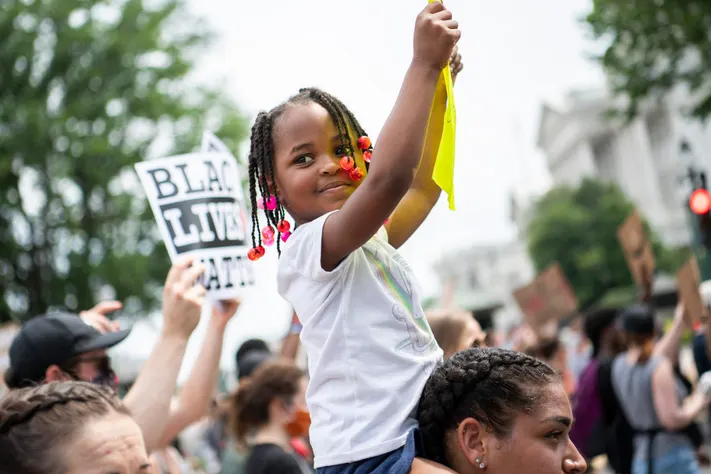
For example, asking a child to draw or write in a journal is a great way to help them express their feelings and ideas. If your child says, “This is boring,” it’s important not to dismiss their feelings. Instead, gently encourage them to try different activities, whether it’s drawing, building with blocks, or crafting with simple materials. The goal is to provide them with the tools they need to explore their creativity in a way that feels meaningful to them.
5. Building Confidence Through Freedom of Expression
Allowing children the freedom to express their thoughts without fear of judgment builds confidence. When a child feels heard, they are more likely to develop strong communication skills and self-esteem. This confidence becomes crucial as they grow, helping them navigate social situations and handle challenges with resilience.
Encouraging self-expression also helps children develop empathy. When children learn to articulate their thoughts, they become better at understanding the feelings of others. This is a powerful tool for building healthy relationships and learning to navigate the complexities of social interactions.
6. Creating Spaces for Expression
To nurture your child’s creativity and freedom of expression, it’s helpful to designate a space in your home where they can explore their ideas. This doesn’t have to be a fancy setup—just a small area where they have access to tools like paper, crayons, or blocks. By giving them the resources and space to create, you’re giving them the freedom to express themselves in their unique way.
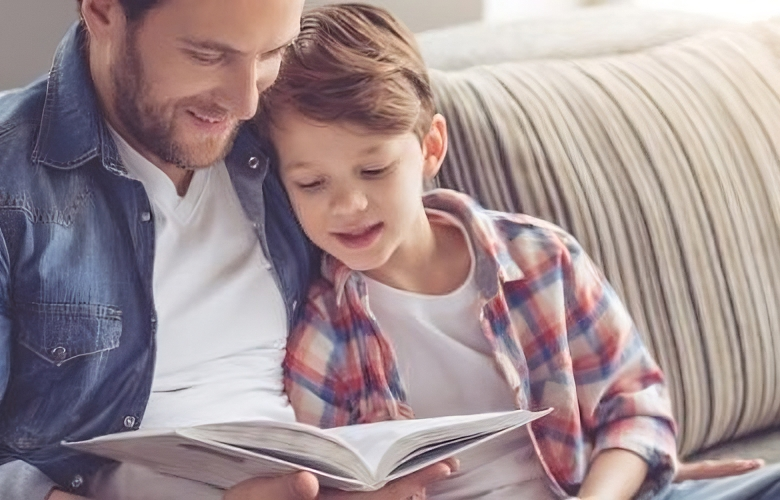
Encourage them to share their creations, but avoid being overly critical. It’s important to praise their effort and creativity, even if the result doesn’t match your expectations. The process of expression is what matters most.
Conclusion
Freedom of expression is a vital component of a child’s development, allowing them to communicate, explore, and understand the world around them. By providing your child with the space and tools to express themselves, you’re giving them the opportunity to grow into confident, empathetic individuals. As parents, it’s our responsibility to guide them, set healthy boundaries, and teach them to use their voice respectfully and responsibly. In doing so, we prepare them for a world where their thoughts and ideas can make a real impact.